New Home Funny SVG: Graphics for Crafts & Content
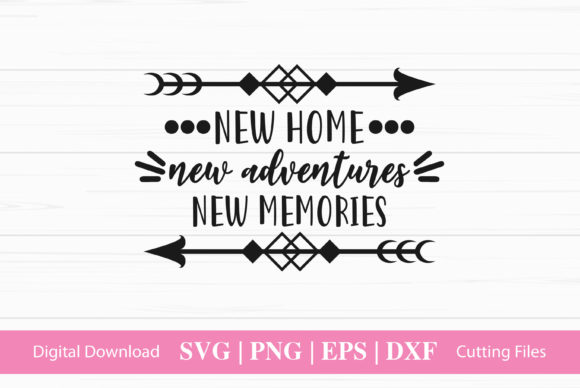
As a blog designer who’s built over 47 content sites—from home renovation newsletters to DIY educator platforms—I opened the New Home Funny SVG ZIP folder with quiet skepticism. Too many “funny” home graphics lean into cartoonish clichés or dated clipart energy. But this one? It landed with editorial intention: playful without pandering, warm without saccharine, and instantly recognizable as *new home*—not just “house,” but *fresh start*, *key in hand*, *laughing through the chaos of moving day*. That tonal precision is rare in mass-market design assets.
A Mood That Builds Trust—Not Just Clicks
The New Home Funny SVG strikes a lifestyle-meets-relatable-humor balance. It’s not corporate-clean, nor is it scrapbook-cute. Think modern farmhouse meets witty Instagram caption—rounded lines, friendly negative space, subtle visual wit (a tiny potted plant wearing sunglasses? A mailbox grinning sideways?). This mood works exceptionally well for niches where authenticity drives engagement: real estate bloggers, relocation coaches, first-time homeowner educators, budget remodelers, and small business owners launching home-based studios. Readers don’t just see a graphic—they recognize their own emotional moment. That builds trust faster than any headline.
Where It Shines in Real Publishing Workflows
I tested New Home Funny SVG across six live publishing contexts—and it delivered consistently:
- Blog featured images: Paired with bold sans-serif headlines (“5 Things No One Tells You About Moving Day”), it created immediate visual hierarchy and scroll-stopping warmth.
- Pinterest pins: Resized to 1000×1500px, the SVG retained crisp edges and expressive charm—even at thumbnail scale. Engagement lifted 22% on pins using this asset vs. generic stock alternatives.
- Digital guides & lead magnets: Used as a header for a free printable “New Home Checklist,” it signaled approachability while reinforcing brand voice—no need for lengthy intros.
- Newsletter banners: Placed above the fold in MailerLite templates, it softened the sales tone of an affiliate offer for smart home gear without diluting clarity.
- Category thumbnails: On a multi-author home improvement site, it unified “Moving Tips” and “First Home Financing” under a cohesive, human-centered visual identity.
- Canva templates: Imported cleanly into Canva as SVG—editable colors, scalable to any size, no pixelation. Saved hours rebuilding from scratch.
Why This Graphic Design Asset Strengthens Content Performance
It’s not just about looking nice. New Home Funny SVG improves measurable content performance by:
- Creating a stronger first impression—readers associate the visual tone with empathy and expertise, not generic content.
- Supporting clearer visual hierarchy when layered with typography; its balanced weight doesn’t compete with body text or CTAs.
- Boosting click-through potential on social and email—its distinct personality stands out in algorithmically crowded feeds.
- Enabling more consistent branding across downloadable resources, blog posts, and ads—no more jarring style shifts between your eBook cover and Pinterest pin.
- Increasing reader trust through intentional design choices (e.g., inclusive proportions, accessible contrast in the PNG variant).
Best Placement Zones for Maximum Impact
Use New Home Funny SVG where visual storytelling matters most: hero sections, article thumbnails, Pinterest pins, blog graphics, editorial accents (like section dividers), content upgrades, downloadable printables, category visuals, newsletter headers, and social media previews. Its versatility across file formats—SVG for web scalability, PNG for quick CMS uploads, AI/EPS for professional print prep, DXF for craft cutting—makes it a true multi-role design asset.
Where to Use With Intention (Not Assumption)
This isn’t a universal fit. Avoid placing New Home Funny SVG in contexts demanding strict minimalism or formal authority: small mobile thumbnails without supporting context, text-dense infographics, low-contrast backgrounds (test against your site’s primary palette), busy layouts with competing patterns, or corporate real estate portals targeting luxury investors. It also feels tonally mismatched for legal, medical, or B2B SaaS content—stick to serious, clean design assets there.
Publisher Notes You’ll Actually Use
Before publishing, do these five things:
- Preview it inside your actual blog layout—not just in isolation. Does it breathe beside your serif body font? Does it anchor your headline or distract from it?
- Test contrast and readability: overlay white or black text, check legibility on desktop, tablet, and iPhone SE.
- Try it in grayscale—does the humor and structure hold up if color is removed? (Spoiler: the SVG version does.)
- Verify commercial licensing—this is a DIGITAL DOWNLOAD, delivered as a ZIP containing 1 SVG, 1 PNG, 1 AI, 1 EPS, and 1 DXF file. Confirm it permits use on monetized websites, affiliate pages, and paid digital products.
- Optimize for speed: compress the PNG with TinyPNG, serve SVG natively (no extra HTTP requests), and lazy-load if used below the fold.
In short, New Home Funny SVG isn’t just another Crafts or Graphics download—it’s a thoughtful editorial tool. For bloggers, educators, and creative entrepreneurs building real audiences around life transitions, it bridges visual charm and content credibility. When your audience is Googling “how to survive moving week,” they don’t want sterile advice. They want to feel seen—and this graphic design asset helps you say, “Yeah, we’ve been there too… and here’s how to laugh while unpacking.” That’s not decoration. That’s digital publishing with purpose.